AGP Executive Report
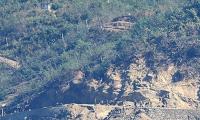
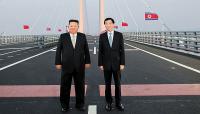
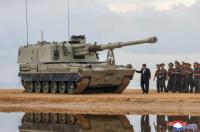
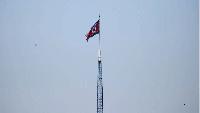
Last update: 3 hours agoBorder Tensions: North Korea accused Seoul at the UN of fabricating a September DMZ landmine blast that injured South Korean troops, while a North Korean self-propelled howitzer and armored vehicles were spotted near the border. Seoul says Pyongyang has laid about 960,000 mines since 2024 and has proposed military talks to prevent clashes. China Ties: Kim Jong Un made a surprise day trip to Dandong, crossed the newly opened Yalu River bridge and met senior official Wang Huning. He praised the countries’ “blood-forged” friendship as both sides signaled interest in deeper economic cooperation. The visit may also strengthen Kim’s leverage ahead of a possible meeting with Donald Trump. Military Policy: Kim has called for a “military revolution” and the world’s strongest armed forces, as Pyongyang’s border fortification and student military drills continue.
Note: AI summary from news headlines; neutral sources weighted more to help reduce bias in the result. Feedback is welcome. Please let us know if you have any comments or suggestions about the AGP Executive Report.

 Perspectify News